Understanding Train Accidents and Legal Liability
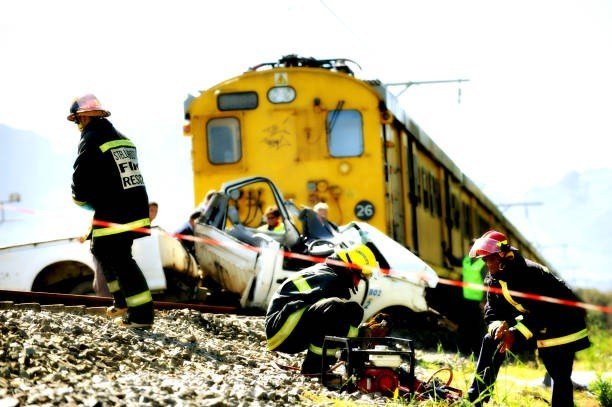
Train accidents are among the most serious transportation incidents because they often involve large vehicles, high speeds, and multiple parties responsible for railway operations. When a train accident occurs, the consequences can include severe injuries, extensive property damage, and complex legal disputes. Victims may face long recovery periods, medical expenses, and financial uncertainty while attempting to understand their legal rights.
Personal injury law provides a legal framework that allows individuals injured in train accidents to seek compensation when negligence or unsafe practices contribute to the incident.
Determining liability in railway accidents can be complicated because responsibility may involve train operators, railway companies, maintenance contractors, or equipment manufacturers.
Each of these parties may play a role in ensuring the safe operation of trains and rail infrastructure.
Individuals who suffer injuries in such incidents often seek guidance from an experienced train accident lawyer. Legal professionals evaluate the details of the accident, review available evidence, and determine whether negligence occurred. Their role includes conducting investigations, managing legal documentation, and representing victims during negotiations or legal proceedings.
Because train accidents may involve federal safety regulations, industry standards, and technical investigations, legal representation becomes particularly important. Attorneys familiar with railway accident cases understand how to navigate these complex legal issues and build a strong case that demonstrates liability.
Common Causes of Train Accidents
Train accidents may occur due to a range of factors that affect railway operations and infrastructure. Identifying the cause of the accident is essential for determining who may be responsible and whether negligence contributed to the incident.
Operator Error and Human Factors
Human error remains a significant factor in many transportation accidents, including those involving trains. Train operators and railway personnel must follow strict safety protocols to ensure safe operation. When these procedures are not followed, the risk of accidents increases.
Operator fatigue, miscommunication between railway staff, or failure to follow signaling instructions can contribute to dangerous situations on railway tracks. Legal investigations often involve reviewing training records, communication logs, and operational procedures to determine whether operator error played a role in the accident.
Equipment Failure and Mechanical Issues
Railway systems rely on complex mechanical components such as braking systems, signaling devices, and track switching mechanisms. When these systems malfunction or fail, the consequences can lead to serious accidents.
Equipment failure may result from manufacturing defects, poor maintenance practices, or aging infrastructure. Investigations into these cases typically include technical inspections and expert evaluations to determine whether mechanical issues contributed to the accident.
Track Maintenance and Infrastructure Problems
Railway tracks require regular inspection and maintenance to ensure safe travel conditions. Damaged rails, faulty track alignment, or worn infrastructure can increase the risk of derailments and collisions.
Maintenance records and inspection reports are often examined during legal investigations. These documents help determine whether the responsible organizations fulfilled their duty to maintain safe railway conditions.
Types of Injuries in Train Accidents
Train accidents can result in a wide range of injuries depending on the nature of the collision, the speed of the train, and the location of individuals involved. Because trains are large and heavy vehicles, the impact of an accident can cause severe physical harm.
Head and Brain Injuries
Head injuries are among the most serious consequences of train accidents. Victims may suffer concussions or traumatic brain injuries due to the force of the collision or sudden impacts within train compartments. These injuries can affect memory, concentration, and motor function.
Medical documentation plays a critical role in train accident cases. Diagnostic imaging and neurological evaluations help demonstrate the extent of the injury and the treatment required for recovery.
Spinal Cord Injuries
Spinal cord injuries may occur when victims experience strong impacts or sudden movements during a train accident. Damage to the spine can affect mobility, coordination, and physical independence.
Treatment for spinal injuries often involves surgery, rehabilitation, and long term medical care. Legal claims frequently include detailed medical records that outline the severity of the injury and the ongoing care required.
Fractures and Orthopedic Injuries
Broken bones and orthopedic injuries are also common in train accidents. Victims may suffer fractures to the arms, legs, ribs, or other parts of the body due to the force of impact or falling objects during the incident.
Recovery from these injuries may require surgical procedures, physical therapy, and extended rehabilitation programs.
The Legal Process After a Train Accident
Train accident claims involve several stages that require careful investigation and legal preparation. Because these incidents often involve multiple responsible parties and complex regulations, the legal process can be more detailed than other personal injury cases.
Working with a qualified train accident attorney allows injured individuals to better understand the legal procedures involved and ensures that evidence is properly collected and presented.
Accident Investigation and Evidence Collection
The first step in a train accident claim involves conducting a thorough investigation. Lawyers review accident reports, railway maintenance records, and operational data to determine how the incident occurred.
Investigators may also examine surveillance footage, interview witnesses, and analyze physical evidence from the accident scene. In many cases, accident reconstruction specialists or engineering experts are consulted to provide technical analysis of the event.
Identifying Responsible Parties
Unlike many other transportation accidents, train accidents may involve multiple responsible parties. Railway companies, equipment manufacturers, maintenance contractors, and government agencies may all have roles related to the operation and safety of the railway system.
Attorneys analyze contracts, maintenance agreements, and safety procedures to determine which parties may be legally responsible for the accident.
Filing Insurance and Legal Claims
Once the investigation is complete, legal professionals prepare the documentation required to file claims against the responsible parties. These claims may involve insurance companies or legal actions against organizations responsible for railway operations.
Documentation typically includes medical records, financial statements, and evidence demonstrating the connection between the accident and the injuries sustained.
Settlement Negotiations and Litigation
Many train accident cases are resolved through settlement negotiations. Lawyers present evidence that demonstrates liability and the financial impact of the injuries in order to negotiate compensation.
If negotiations do not lead to a fair agreement, the case may proceed to litigation. During court proceedings, attorneys present evidence, question witnesses, and argue the case before a judge or jury.
Factors That Influence Train Accident Claims
Several factors can affect how train accident claims are evaluated and resolved. Understanding these elements helps explain how compensation amounts and legal outcomes may be determined.
Severity of Injuries
The seriousness of the injuries sustained in the accident plays a significant role in determining compensation. Severe injuries often involve higher medical expenses and longer recovery periods.
Medical records and expert evaluations help demonstrate the full impact of the injuries on the victim’s health and daily life.
Evidence and Documentation
Strong evidence is essential in train accident cases due to the complex nature of railway operations. Maintenance records, operational data, accident reports, and witness testimony all contribute to establishing liability.
Attorneys carefully organize and present this evidence to support the injured individual’s claim.
Regulatory Compliance
Railway systems operate under strict safety regulations established by government authorities. Violations of these regulations can serve as evidence of negligence in train accident cases.
Legal professionals review regulatory guidelines and inspection records to determine whether safety standards were followed.
Conclusion
Train accidents can lead to serious injuries and complicated legal challenges for those involved. Understanding the legal options available after such incidents is important for individuals seeking compensation and accountability. Train accident claims often involve extensive investigations, technical analysis, and negotiations with multiple parties.
Experienced legal professionals help injured individuals navigate these complexities by gathering evidence, identifying responsible parties, and managing the legal process. Their role is to advocate for fair compensation while ensuring that the rights of victims are protected.
Individuals seeking legal guidance after a railway accident may consider consulting the experienced legal team at Lampert & Walsh for professional representation and support when pursuing a train accident claim.