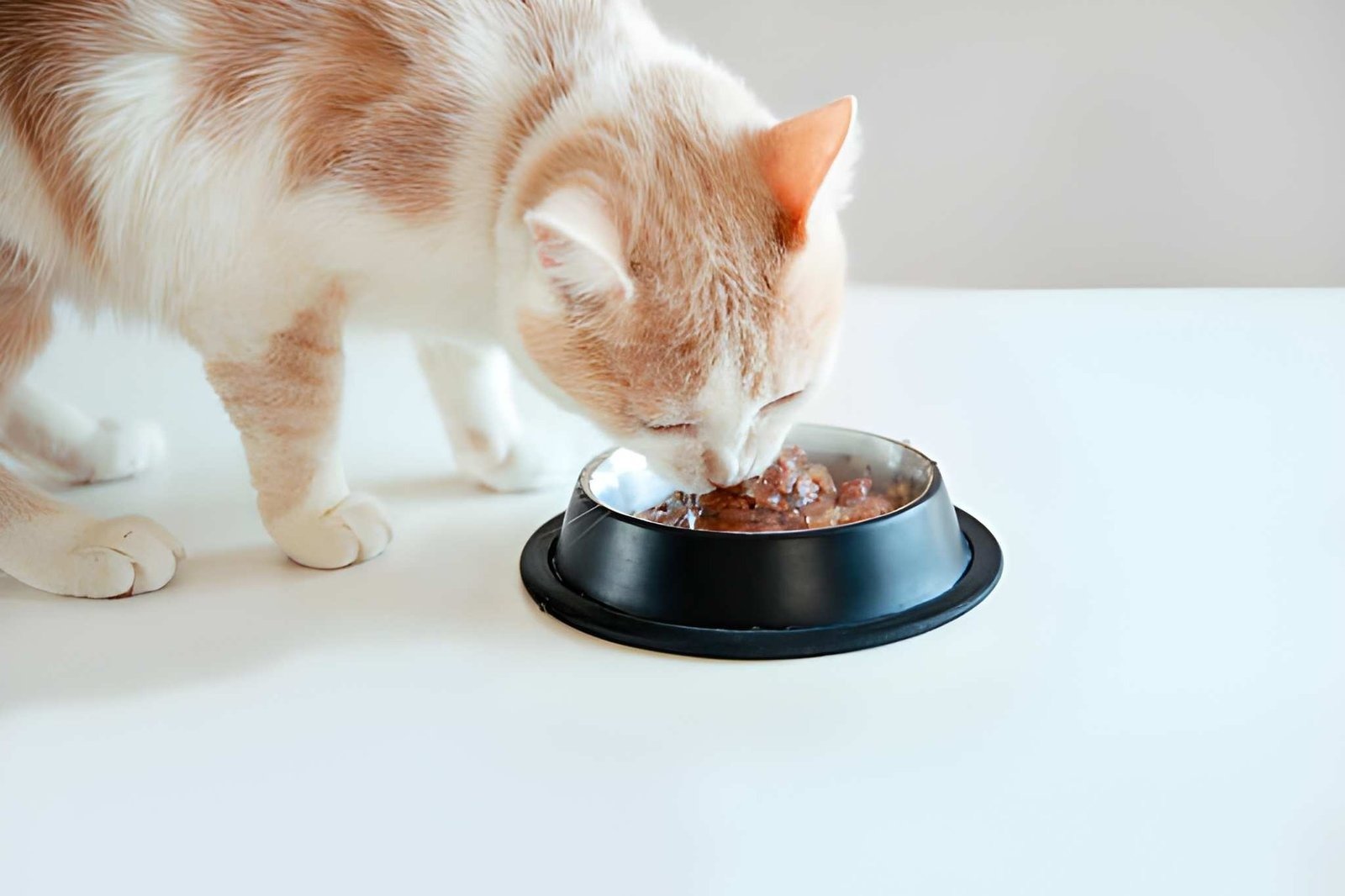
Many cat owners focus on food quality but overlook something equally important. The material of the bowl their cat eats from. Surprisingly, the wrong feeding surface can lead to skin issues like acne, irritation, and infections. In this guide, you’ll learn how bowl materials impact your cat’s skin health and how to choose the safest option.
What Is Bowl-Related Skin Irritation in Cats?
Bowl-related skin irritation refers to skin problems caused by contact with feeding surfaces. The most common condition is feline acne, usually appearing as blackheads or redness around the chin and mouth.
This happens when bacteria, oil, and dirt accumulate on the bowl surface and transfer to your cat’s skin during feeding. Over time, this can clog pores and lead to inflammation.
Why Bowl Material Matters
The material directly affects hygiene, bacterial growth, and skin sensitivity. Some materials are porous or scratch easily, creating spaces where bacteria thrive. Others are smooth and non-reactive, making them safer for daily use.
If your cat frequently scratches its chin or develops small bumps, the bowl material could be the hidden cause.
Common Bowl Materials and Their Effects
1. Plastic Bowls
Plastic is widely used because it’s cheap and lightweight, but it’s one of the most common causes of skin problems.
Issues with plastic:
- Develops scratches over time
- Traps bacteria and oils
- Can trigger allergic reactions
Veterinarians often link plastic feeding dishes to feline acne due to poor hygiene retention.
2. Stainless Steel Bowls
Stainless steel is one of the safest and most recommended options.
Benefits:
- Non-porous and hygienic
- Resistant to scratches
- Easy to clean and disinfect
This material does not harbor bacteria easily, making it ideal for maintaining skin health.
3. Ceramic Bowls
Ceramic bowls are also a good option if they are high-quality and properly glazed.
Advantages:
- Smooth, non-porous surface
- Stable and less likely to tip
- Safer for sensitive skin
Caution:
If the glaze chips, bacteria can accumulate in cracks, leading to hygiene issues.
4. Glass Bowls
Glass is another safe and non-reactive option.
Benefits:
- Completely non-porous
- Easy to clean
- Does not react with food or bacteria
However, it is more fragile and may break if dropped.
See also: Healthcare CFO Services: The Strategic Financial Edge Your Healthcare Startup Can’t Afford to Ignore
Signs Your Cat’s Bowl Is Causing Skin Problems
Look for these common symptoms:
- Blackheads or pimples on the chin
- Redness or swelling around the mouth
- Frequent scratching or rubbing
- Hair loss in the chin area
If you notice these signs, switching the bowl material often leads to improvement within weeks.
Best Practices for Healthy Feeding
1. Choose the Right Material
Opt for stainless steel, ceramic, or glass instead of plastic.
2. Clean Bowls Daily
Wash with warm water and mild soap to remove food residue and bacteria buildup.
3. Avoid Scratched or Damaged Bowls
Replace bowls with visible cracks or scratches, as they trap bacteria.
4. Maintain Feeding Hygiene
Keep the feeding area clean and dry to prevent contamination.
5. Monitor Skin Changes
Regularly check your cat’s chin and mouth area for early signs of irritation.
Common Mistakes to Avoid
- Using plastic bowls for long-term feeding
- Not cleaning bowls regularly
- Ignoring early signs of feline acne
- Using chipped ceramic dishes
Real-World Insight
Many pet owners notice that switching from plastic to stainless steel significantly reduces chin acne in their cats. This simple change often eliminates the need for medication or vet visits.
Conclusion
Your cat’s feeding bowl plays a bigger role in their health than most owners realize. Choosing the right material can prevent skin issues, reduce bacterial exposure, and improve overall hygiene. While plastic may seem convenient, safer options like stainless steel or ceramic provide long-term benefits.
Using the right Cat Bowls material, combined with proper cleaning habits, ensures your cat stays comfortable, healthy, and free from avoidable skin problems.