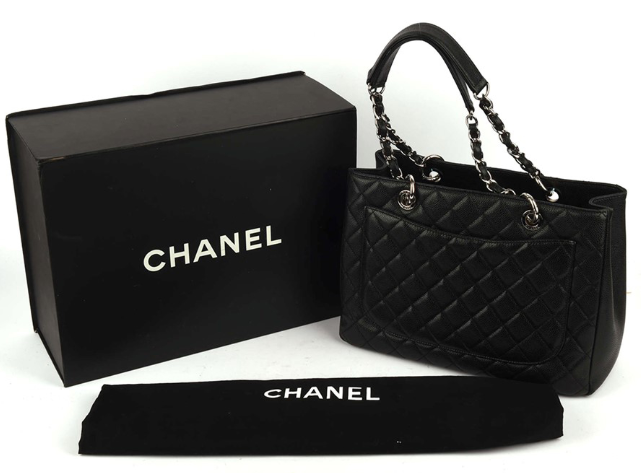
Most small brand owners think luxury lives in the product. It doesn’t. It lives in the paper slip you almost throw away. The receipt from a luxury house is a quiet lesson in how to make people feel something long after they’ve paid. And the strange part is that this lesson costs almost nothing to copy.
Start with what happens at the end of a purchase, not the beginning. When someone buys a Cartier piece, the receipt isn’t shoved across the counter. It’s placed inside an envelope, sometimes sealed, often paired with a handwritten note. The transaction record becomes part of the gift. Small brands obsess over the unboxing video but forget that the proof of purchase is the one document a customer keeps in a drawer for years.
The receipt is a memory device
Think about why anyone holds onto a receipt at all. Usually for returns, warranties, or taxes. A luxury receipt flips this. It becomes a keepsake. The weight of the cardstock, the embossed logo, the spacing of the text, all of it signals that you bought something worth remembering. Chanel understands that the slip in your hand is doing emotional work. It tells you that you made a good decision.
Your small brand can do this too. The cheapest thermal printer paper screams “gas station.” A slightly thicker stock, a brand color, your name spelled out instead of a faceless “thank you,” and suddenly the same purchase feels heavier in the right way. The buyer might never put words to why your receipt felt different. They just feel that you cared about the small thing, which makes them trust you on the big thing.
See also: Applications of VR Technology
Pricing shown without apology
Look closely at how luxury houses present numbers. There’s no discount language, no crossed-out original price, no “you saved $40” in red. The price simply sits there, calm and whole. This is deliberate. The receipt never apologizes for the cost because the brand never frames the cost as a problem to soften.
Small brands tend to clutter receipts with promo codes, loyalty point reminders, and “shop again” nudges. Each one chips away at the dignity of the sale. A Gucci receipt respects the buyer enough to stay quiet. The silence is the flex. When you stop apologizing for your prices on the receipt, you teach the customer that your prices are simply correct. That posture carries over into how they describe you to friends.
What’s missing tells the story
Here’s the contrarian angle most people skip. The power of a luxury receipt is often in what it leaves out. No QR code begging for a review. No upsell. No survey link. The absence of clutter creates a feeling of confidence. The brand acts like it doesn’t need to ask for anything more from you right now.
Small brands fear empty space. They fill every inch because blank areas feel like wasted opportunity. But restraint reads as security. A receipt that isn’t trying to sell you the next thing tells you the brand trusts its own value. There’s a useful rule hiding here: every extra element on a receipt is a small request for the customer’s attention. Luxury houses spend that attention carefully. Most small brands spend it all at once and wonder why the moment felt cheap.
The details nobody is told to notice
Font choice, line spacing, the way the date is formatted, whether the sales associate’s name appears. None of this is accidental at Cartier or Chanel. A receipt with a real person’s name attached turns a faceless company into a relationship. You didn’t buy from a register. You bought from someone.
This is the part small brands can steal for free. Add the name of the person who packed the order. Write the date out fully instead of a string of numbers. Let the layout breathe. These choices cost zero dollars and change how the buyer feels at the exact moment they’re deciding whether you were worth it. Even the order in which information appears matters. Put the thank you first and the legal fine print last, and the receipt reads like a note. Flip it, and it reads like a form.
The receipt as the start of the next purchase
Here’s a thought that runs backward from where most people land. A luxury receipt isn’t really about the sale that just happened. It’s about the sale that hasn’t happened yet. When a customer keeps that slip in a drawer, the brand stays alive in their home for months. Every time they open that drawer, the logo greets them. The receipt becomes a tiny, silent salesperson that you never have to pay again.
Small brands chase repeat customers with email blasts and discount codes. Meanwhile a beautifully made receipt is sitting in a wallet doing the same job for free, and doing it more gently. The customer who kept your receipt is the customer who remembers your name when they need you again. You didn’t nag them into it. You earned it once and let the paper carry the memory.
When the receipt does the work your marketing can’t
Think about the photos people post of luxury purchases. The receipt is often in the frame, propped against the box, sitting beside the product. Nobody asked them to include it. The receipt looked good enough to share. That’s marketing you could never buy, created by a piece of paper that costs cents.
A small brand can engineer this same moment. If your receipt is dull, it gets cropped out of every photo. If it’s lovely, it becomes part of the picture, and now a customer is advertising you to their followers without realizing it. The luxury houses learned long ago that a receipt designed to be photographed turns buyers into a quiet sales team.
Why this matters more for small brands than big ones
A luxury house has stores, history, and a logo people already recognize. Your small brand often has one shot to make a first purchase feel correct. The receipt is the last thing a customer touches in the buying process, which means it’s the feeling they walk away with. Get the product right and the receipt wrong, and you’ve ended on a flat note.
There’s also a fairness gap working in your favor here. People expect Cartier to nail every detail, so a perfect receipt barely registers as surprising. They don’t expect a small brand to care this much. When you do, the contrast lands harder. The same gesture that’s invisible coming from a giant feels remarkable coming from you. Small size isn’t a weakness in this game. It’s the reason the effort gets noticed at all.
Where to start without overthinking it
You don’t need a print shop or a budget to begin. Pick better paper than the default. Add a real name. Strip out one piece of clutter you’ve been keeping out of habit. Write the thank you in plain, warm language instead of a stiff template. Each change is small, and together they shift the receipt from a record into an experience.
Treat the receipt as the closing line of a conversation, not a piece of admin. The luxury houses figured this out decades ago. They print proof of purchase that people actually want to keep. That’s the whole lesson, and it’s sitting in a drawer somewhere, waiting for you to copy it.