Hybrid work has fundamentally changed how organisations manage people, workplaces, and security. While many discussions focus on productivity, collaboration, and workplace flexibility, one of the most significant operational changes has occurred in access management.
Traditional access control systems were designed for employees who worked from a fixed location and followed predictable schedules. Hybrid work has introduced a different reality—one where employees move between offices, remote locations, project sites, and shared workspaces.
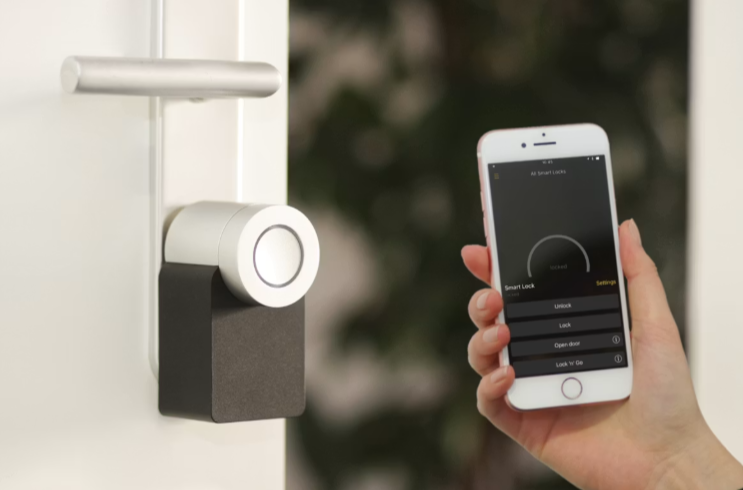
As organisations across Oman continue to adopt more flexible workforce models, mobile based door access is emerging as a critical component of modern workplace infrastructure. By enabling employees to use secure digital credentials on their smartphones, organisations can improve security, simplify access management, and create a more adaptable workplace environment.
The question is no longer whether mobile access can replace physical credentials. The more important question is how mobile access enables organisations to operate effectively in a workforce environment defined by mobility and flexibility.
The Shift from Facility-Centric Security to Workforce-Centric Security
For decades, access control systems were built around facilities. The objective was straightforward: control entry into a building and protect restricted areas.
Hybrid work has shifted the focus from facilities to workforce movement.
Employees may now require access to multiple locations within a single week. Contractors may need temporary permissions for specific projects. Visiting executives may require short-term access to secure areas without going through lengthy credential issuance processes.
These realities require a more dynamic access model.
The Three Pillars of Mobile Access Governance
Organisations implementing mobile based door access typically realise value across three key areas.
Pillar 1: Centralised Credential Management
Traditional access cards require physical issuance, replacement, collection, and administration.
Mobile credentials operate differently. Access permissions can be issued, modified, suspended, or revoked remotely through a central management platform.
This allows security teams to manage workforce access from a single system regardless of employee location.
Pillar 2: Workforce Mobility Enablement
Modern organisations need employees to move efficiently between locations while maintaining consistent security standards.
Mobile access systems support this by allowing authorised personnel to use a single credential across multiple approved facilities.
This eliminates the complexity associated with managing multiple access cards or location-specific credentials.
Pillar 3: Real-Time Security Adaptability
Business environments change rapidly. New projects begin, contractors are engaged, departments relocate, and security requirements evolve.
Mobile access allows organisations to adjust permissions immediately without waiting for physical credential updates. The greatest advantage of mobile access is the ability to align security policies with operational changes in real time.
Strengthening Security Through Digital Identity Management
A common misconception is that mobile access primarily improves convenience. In practice, its strategic value lies in stronger identity governance.
Modern mobile access platforms typically incorporate:
- encrypted digital credentials
- secure communication protocols
- device authentication
- biometric verification
- multi-factor authentication capabilities
This creates multiple layers of verification before access is granted.
Unlike physical cards, which can be shared or transferred, mobile credentials can be linked directly to authenticated user identities and managed through enterprise security policies.
Supporting Operational Efficiency Across Multiple Locations
Hybrid work has increased the complexity of workplace administration.
Access permissions often need to be adjusted for:
- temporary assignments
- project-based teams
- contractors
- visitors
- role changes
- multi-site employees
In traditional environments, these changes may require manual intervention and physical credential updates.
Mobile access significantly reduces this administrative burden.
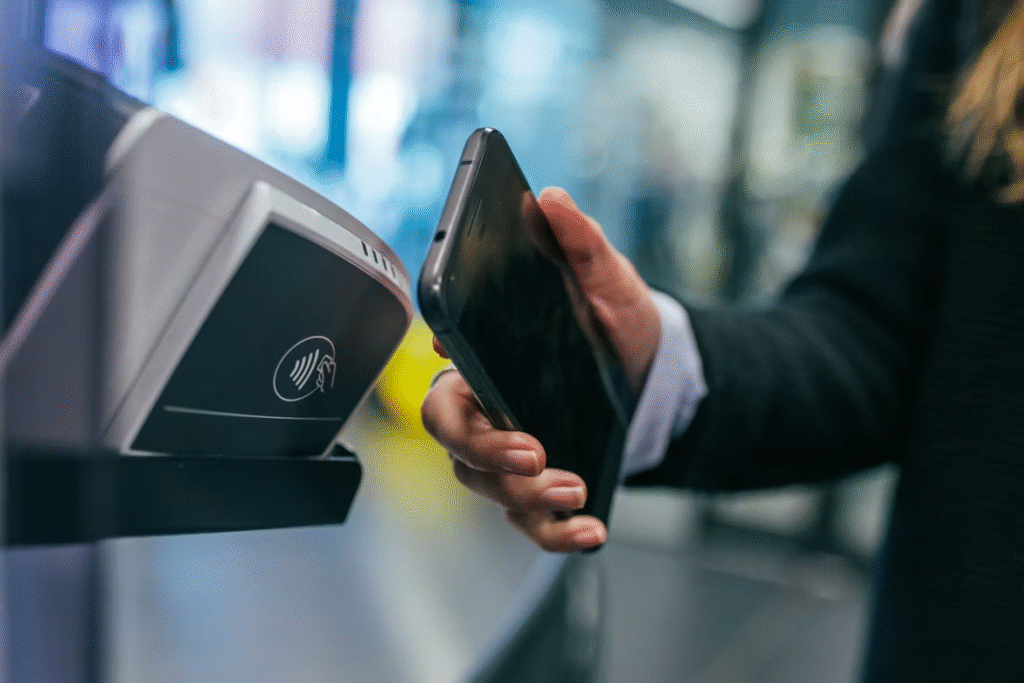
Security teams can provision access remotely, apply time-based permissions, and manage access rights centrally without requiring in-person credential distribution.
Integration with the Intelligent Workplace Ecosystem
One of the most important developments in access control is the growing integration between security systems and workplace technologies.
Mobile access platforms increasingly connect with:
- visitor management systems
- time attendance platforms
- smart building technologies
- workplace occupancy systems
- enterprise security dashboards
This integration creates a more comprehensive view of workplace activity.
Access events become operational data points that support security monitoring, workforce planning, and facility management.
Strategic Implications for Organisations in Oman
As organisations across Oman continue investing in digital transformation initiatives, access control is becoming part of a broader strategy focused on workplace intelligence, operational resilience, and workforce flexibility.
Mobile based door access aligns with these objectives by enabling organisations to:
- modernise access management
- improve workforce mobility
- strengthen identity governance
- support scalable growth
- maintain consistent security standards across locations
The result is a workplace environment that is more adaptable, secure, and responsive to changing operational requirements.
AL Maha Business Systems provides advanced door access control system designed to help organisations across Oman create secure, flexible, and intelligently managed workplaces. By integrating mobile credentials, biometric authentication, and centralised access management platforms, organisations can strengthen security while supporting the evolving requirements of hybrid work environments.
As workforce mobility continues to reshape how businesses operate, mobile based door access is becoming an essential component of modern access governance and intelligent workplace management.
Call now to request a consultation.
About the Author
The author is a workplace technology and enterprise security analyst with expertise in biometric systems, access control infrastructure, and digital workforce management solutions. With experience across corporate, industrial, and government environments, the author focuses on how intelligent systems such as face recognition, mobile credentials, and AI-driven attendance platforms are reshaping operational efficiency and security governance in modern enterprises.
Their work examines the intersection of identity verification, automation, and organizational productivity, with a strong focus on scalable and future-ready workforce technologies.