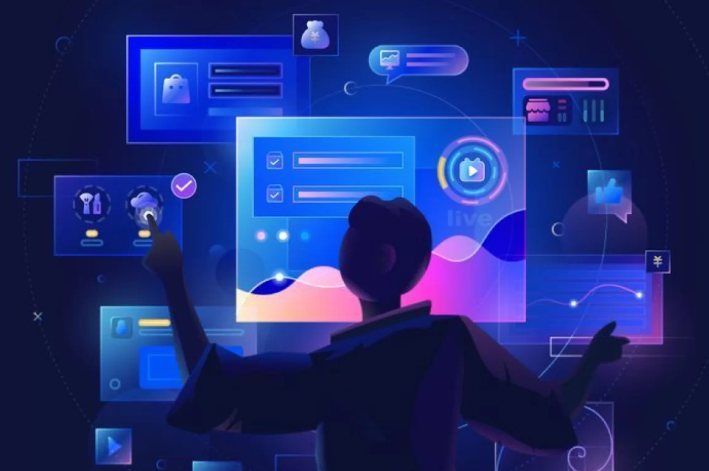
The future of UX design is set to undergo significant transformation driven by advancements in technology and evolving user expectations. Artificial intelligence will play a crucial role in enhancing personalization and engagement. Meanwhile, accessibility will remain a critical focus, ensuring inclusivity for all users. The integration of augmented and virtual reality will create immersive experiences that reshape interactions. As these trends emerge, one must consider how they will redefine user-centric design methodologies.
The Rise of Artificial Intelligence in UX Design
As artificial intelligence (AI) increasingly permeates various industries, its integration into user experience (UX) design emerges as a transformative trend.
Personalization algorithms utilize predictive analytics to tailor interactions, enhancing user satisfaction and engagement. By analyzing behavior patterns, AI crafts bespoke experiences, allowing users to navigate digital landscapes with greater ease and autonomy.
This shift towards intelligent design prioritizes individual preferences, fostering a sense of freedom in digital interactions.
See also: economicweeklynews
Prioritizing Accessibility for All Users
The integration of advanced technologies like artificial intelligence has prompted a renewed focus on inclusivity in UX design, emphasizing the importance of accessibility for all users.
Prioritizing inclusive design ensures that digital experiences cater to diverse abilities, fostering universal usability.
Immersive Experiences: AR and VR in UX
How can augmented reality (AR) and virtual reality (VR) redefine user experiences in digital environments?
These technologies immerse users in interactive, three-dimensional spaces, enhancing engagement and comprehension.
By seamlessly blending digital content with the physical world, AR and VR foster intuitive navigation and personalized interactions.
As user expectations evolve, leveraging these immersive experiences will be crucial for designers aiming to create freedom-oriented, user-centric solutions.
The Shift Towards User-Centric Design Approaches
While traditional design methodologies often prioritize aesthetic appeal and functionality, a significant shift towards user-centric design approaches is transforming the landscape of UX design.
This evolution emphasizes the importance of user feedback and iterative design processes, allowing designers to create more personalized and effective experiences.
Conclusion
As the landscape of UX design evolves, the convergence of artificial intelligence, accessibility, and immersive technologies paints a vivid tapestry of future possibilities. This intricate fabric symbolizes a commitment to inclusivity and user empowerment, weaving together individual preferences and diverse needs. By embracing these trends, designers can craft experiences that resonate deeply, much like a well-tuned instrument harmonizing with its audience. Ultimately, the future of UX design lies in nurturing connections that transcend the screen, fostering a more engaging digital world.