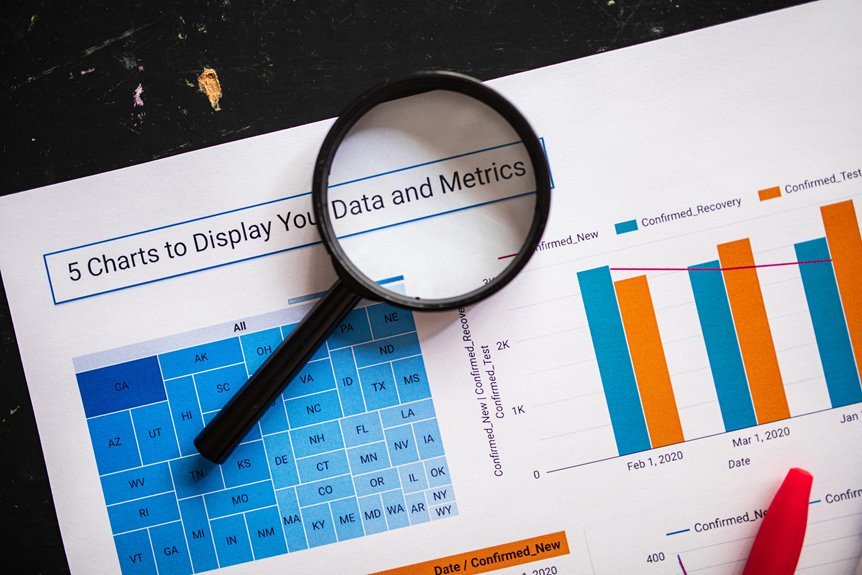
Performance analytics and trend mapping are essential for organizations seeking to enhance decision-making. By examining identifiers such as 291720200, 306339593, and others, organizations can uncover significant patterns and correlations. This analytical approach not only informs strategic initiatives but also fosters a culture of continuous improvement. Understanding the implications of these insights is crucial for stakeholders aiming to align with evolving business objectives. What specific trends will emerge from this analysis, and how will they impact operational effectiveness?
Understanding Performance Analytics
Performance analytics serves as a pivotal tool for organizations seeking to enhance decision-making and drive strategic initiatives.
By employing data visualization techniques, businesses can effectively interpret complex performance metrics analysis, revealing insights that guide operational improvements.
This structured approach empowers organizations to identify strengths and weaknesses, fostering a culture of continuous improvement while ensuring that decision-makers have access to crucial, actionable data.
The Role of Trend Mapping
Trend mapping emerges as a crucial component in the realm of performance analytics, serving to visually represent data over time and identify patterns that may not be immediately apparent through raw metrics alone.
This process facilitates trend identification, allowing analysts to discern correlations and anomalies. Effective visual representation enhances understanding, empowering stakeholders to make informed decisions grounded in comprehensive data insights rather than isolated figures.
Analyzing Key Identifiers
How can key identifiers shape the understanding of performance metrics? Their identifier significance lies in establishing data correlation among various metrics, allowing analysts to identify trends and discrepancies.
By dissecting these identifiers, stakeholders can unearth patterns that drive performance insights, ultimately facilitating a deeper comprehension of operational effectiveness.
This analytical approach empowers organizations to navigate complexities and enhance their strategic frameworks.
Making Informed Business Decisions
The ability to interpret key identifiers directly influences the quality of business decisions made within an organization.
By employing data driven strategies and leveraging predictive analytics, companies can enhance decision-making processes.
These methodologies facilitate a deeper understanding of market trends and consumer behavior, empowering leaders to make informed choices that align with organizational objectives while fostering innovation and adaptability in an ever-evolving landscape.
Conclusion
In conclusion, performance analytics and trend mapping are integral to organizational decision-making, allowing for the identification of critical patterns within data. For instance, organizations that implement robust analytics frameworks experience a 5-10% increase in operational efficiency within the first year. By analyzing key identifiers such as 291720200 and 306339593, stakeholders can derive actionable insights, fostering a culture of continuous improvement that aligns with strategic business objectives and drives long-term effectiveness.