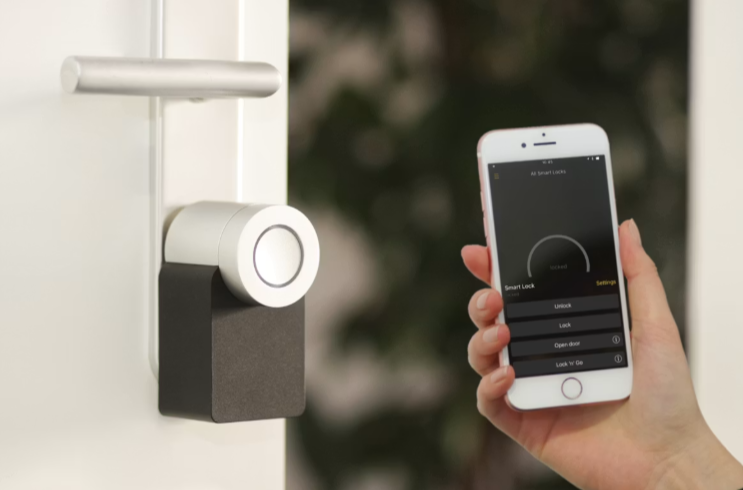
The single thing that determines whether software is worth buying in this category is how fast it pays for itself in recovered slab material and closed quotes. Everything else is secondary.
I went through every platform stone shops actually talk about in trade forums and Facebook groups, noted what they charge, and gave an honest read on whether the price matches the value. Here is what I found.
1. SlabWise
What you pay: Around $99/month for the Starter tier, $299/month for Pro (unlimited jobs), and $799/month for Enterprise with multi-location support and API access. There is a $1 trial for 7 days, no contract required.
What earns it the top spot: The AI slab nesting. Most shops still lay out jobs on slabs by hand or by eyeballing a screen. SlabWise batches multiple jobs onto a single slab simultaneously, accounts for vein direction, and handles book-matching, which is where the real yield gains come from on premium material. The company reports meaningful reductions in slab waste for shops that switch from manual layout, and they cite a higher quote close rate from their Good/Better/Best presentation tied directly to e-signature and Stripe payment collection. I cannot independently audit those numbers, but the mechanism is logical.
The DXF middleware layer is underrated. It validates geometry and catches sink cutout errors before anything hits the CNC. That alone can prevent a costly mis-cut.
Verdict: Best all-in pricing for what you get if you run CNC and do high volume custom work. The $1 trial makes it easy to test before committing.
2. Moraware CounterGo
What you pay: Approximately $100 per user per month.
A drawing-and-quoting tool that a large number of shops (over 2,600 reported users) already have installed. It is purpose-built for countertop estimating, generates accurate square footage from drawn layouts, and produces professional quotes. No nesting, no payment collection built in. It is the quoting piece only.
Verdict: Fair price for quoting alone. You will need other tools alongside it.
3. Moraware Systemize
What you pay: Roughly $200 to $400 per month depending on which modules you activate, plus about $50 per additional user after the first five.
Systemize handles scheduling, job tracking, and shop workflow. It pairs well with CounterGo but they are sold as separate products. The install base is large, which means good community support and a lot of integrators know it.
Verdict: Solid shop management at a predictable price. Monthly cost climbs if your team grows.
4. Moraware ActionFlow
An automation and workflow layer that sits on top of Moraware’s other products. Pricing is not widely published as a standalone. It handles task triggers, notifications, and process routing so jobs move through production without manual nudging.
Verdict: Worth asking Moraware about if you already run Systemize and feel like things fall through the cracks.
5. FabSuite
A shop management platform covering inventory, scheduling, and job tracking. Pricing is quote-based, so you need to call them. Shops that use it tend to be mid-to-large operations. Feature set is closer to an ERP than a quoting tool.
Verdict: Serious shop management. Expect serious pricing to match.
*(Quick note: I have a financial interest in none of these products. I am working from publicly available pricing and user-reported information, which can shift. Always confirm current rates directly with vendors.)*
6. SigmaNEST
This is CNC nesting software that originated in sheet metal and has been adapted for stone. It is genuinely powerful for optimizing cut paths and material yield across different material types. Pricing is not public and varies by configuration.
Verdict: If advanced nesting for complex CNC work is your whole problem, this is a specialist tool. Not a quoting or shop-management platform.
See also: Healthcare CFO Services: The Strategic Financial Edge Your Healthcare Startup Can’t Afford to Ignore
7. EasySTONE / EasyStoneShop
What you pay: Entry tier around $150 per month.
A CAD/CAM plus shop management combination. It covers design, quoting, and some production tracking. European in origin, so some terminology and workflow assumptions differ from what US shops expect.
Verdict: Reasonable entry price for a combined CAD/CAM and shop tool. Learning curve is real.
8. SlabWare (Distribution Platform)
Not to be confused with SlabWise. SlabWare is software built for slab distributors and importers, not fabricators. It manages inventory, slabs in stock, and customer-facing slab sales. Pricing is not public.
Verdict: Wrong category if you are a fabricator. Right tool if you are a distributor managing slab inventory at scale.
9. QuickBooks (Used by Stone Shops)
Many shops still run QuickBooks for invoicing and job costing because they already have it. It is not stone-specific at all. It cannot draw a layout, nest a slab, or track a job through production.
Verdict: Cheap to keep running. Expensive in the time you spend working around it.
10. Spreadsheets and Manual Quoting
Zero software cost. Maximum labor cost. Shops doing under five jobs a week sometimes make this work, but quoting errors and missed material costs compound fast. One mis-quoted slab eats weeks of “savings.”
Verdict: The hidden cost option. Gets painful at scale.
11. Whiteboard and Paper-Based Scheduling
Still common in smaller shops. No monthly fee, no training, no data. When the person who built the system leaves, the system leaves with them.
Verdict: Hard to justify past 10 active jobs. The risk is in the institutional knowledge walking out the door.
How to Read the Pricing
The honest split in this category is between modern cloud platforms built specifically for stone (quoting, nesting, CNC file prep, payment in one loop) and older or more general tools that handle one piece of the job well. Neither side is without tradeoffs. Established platforms like Moraware have the largest install bases and the most integrations. Newer entrants like SlabWise are tighter on features but hit the specific pain points of CNC-heavy custom shops at a lower entry price.
If you are spending more than an hour per job on manual slab layout and your quote close rate is under 40 percent, that is where the math on paid software gets very straightforward, very fast.
Common Questions
Does Moraware CounterGo include slab nesting, or do you need a separate tool for that?
CounterGo does not include nesting. It generates accurate square footage from drawn layouts and produces quotes, but slab optimization is outside its scope. Shops that need nesting typically add a dedicated tool like SlabWise or SigmaNEST on top of it, which means paying for two platforms instead of one.
Is SlabWise’s $1 trial actually useful, or is it too short to evaluate the software properly?
Seven days is enough time to run two or three real jobs through the system and see whether the nesting output beats your current yield. The $1 cost removes the commitment barrier. The honest limit is that you will not stress-test edge cases like complex book-matching jobs in that window, so plan your trial jobs deliberately.
At what monthly job volume does paid countertop software stop being optional and start being obviously worth it?
Most fabricators report the math turning clearly positive somewhere between 15 and 25 jobs per month. Below that, manual methods are painful but survivable. Above it, quoting errors and slab waste compound faster than any subscription fee. One mis-cut slab on a premium material can exceed several months of software cost.
What is the real difference between FabSuite and Moraware Systemize for a mid-size shop?
Both handle scheduling and job tracking, but FabSuite skews toward ERP-style inventory and production management while Systemize is more workflow-and-scheduling-focused with a larger community of stone-specific integrators. FabSuite pricing requires a direct quote. Systemize publishes tiers. For shops that want a known monthly number before committing, that distinction matters early in the buying process.
Can QuickBooks handle countertop job costing accurately enough to replace stone-specific software?
Not really. QuickBooks can track revenue and expenses per job if you set it up carefully, but it has no awareness of slab dimensions, material yield, or cut waste. Shops using it for job costing are typically estimating material costs manually and entering a number, which means the accuracy of the costing depends entirely on whoever is doing the manual math.
Sources
- Moraware pricing and user count: Moraware.com public product pages and G2 software listings (2024-2025)
- EasySTONE pricing: EasySTONE.it and Capterra listings
- SigmaNEST product overview: SigmaNEST.com
- FabSuite overview: FabSuite.com
- SlabWise tier pricing and trial: SlabWise product pages and independent software directory listings (2025)
- General fabricator software discussion: Stone Business Forum and Stone Fabricator Alliance community threads