Most homeowners spend a lot of time worrying about missing shingles or clogged gutters when the clouds start turning gray. Those are the obvious culprits for a wet ceiling. However, there is a hidden player in the structural integrity of your home that often goes unnoticed until it is too late. These are your expansion joints. If you are concerned about your home’s stability, getting a roof repair mountain green inspector to check these gaps is a smart move before the next big storm hits. They are designed to let your house breathe and move, but when they get old, they become the perfect highway for water to enter your living space.
What Exactly Are Expansion Joints
Buildings are not static objects. They are actually quite dynamic. Between the summer heat and the winter chill, the materials used to build your home expand and contract. If a house were one solid, rigid block, it would eventually crack under the pressure of its own movement. To prevent this, engineers build in small gaps called expansion joints.
These joints are usually filled with a flexible material like rubber or specialized foam and then sealed with a waterproof membrane. When everything is new, these joints do their job perfectly. They squish when the sun is out and stretch when it gets cold, all while keeping the interior bone dry. The problem starts when the calendar flips forward a few decades and the materials begin to lose their youthful bounce.
Why Rain Is the Ultimate Test
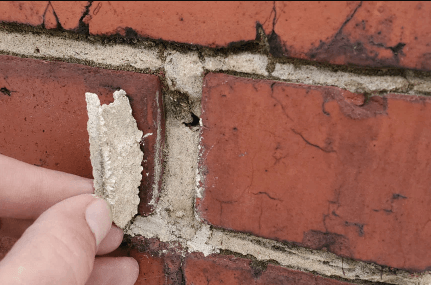
Rain has a way of finding the path of least resistance. When an expansion joint is in good shape, it acts like a tight seal on a jar. But as these joints age, the flexible fillers start to dry out and become brittle. Instead of stretching, they crack. Instead of sealing, they pull away from the edges of the concrete or wood they are supposed to protect.
Once those tiny hairline fractures appear, your property is in trouble. Even the lightest drizzle can cause issues. Moreso in a heavy storm. During a downpour, water pressure builds up against these joints. If the seal is broken, gravity takes over and pulls that moisture deep into the structural layers of the building. You might not see a puddle on the floor right away, but the water is likely soaking into the insulation or the subflooring.
See also: Grants and Loans for Home Improvement
The Danger of Hidden Water Damage
The most frustrating part about failing expansion joints is that the damage is often invisible for a long time. Unlike a hole in a roof where you see a drip immediately, a leaking joint often lets water seep into the “bones” of the house. This creates a dark and damp environment that is the perfect breeding ground for mold and mildew.
Over time, this constant moisture can rot out wooden support beams or cause metal reinforcements to rust and weaken. By the time you notice a musty smell or a soft spot in the wall, the repair bill has likely tripled. Aging joints act like a slow leak that quietly eats away at the value and safety of your property.
Identifying the Warning Signs
You do not necessarily need to be a structural engineer to spot a problem, though professional eyes are always better. Take a walk around your property after a rainstorm. Look for areas where the sealant looks like it is peeling away or looks dry and flaky like an old rubber band.
Check for “pumping” in the joints. This happens when water gets trapped underneath the joint and gets pushed back up when people walk over it or when the building shifts. If you see white, salty stains near the joints, that is a sign that water has been moving through the material and leaving mineral deposits behind. These are all red flags that your expansion joints are no longer doing their job and are actively inviting the weather inside.
Maintenance and Prevention
Prevention is always cheaper than a total overhaul. If you catch a failing joint early, a professional can often scrape out the old, brittle material and inject new, high-grade sealant. This restores the flexibility and the waterproof barrier without needing to tear apart the structure.
It is also important to keep these areas clean. Dirt and debris can get lodged in the gaps, which prevents the joint from closing properly during heat waves. When the joint cannot close, it puts extra stress on the surrounding materials, which leads to even faster degradation. A little bit of cleaning and a regular checkup can save you from a massive headache during the rainy season.
Final Word
Ignoring your expansion joints is a gamble. And honestly, all experts agree that this rarely pays off when the rainy season arrives. These small gaps play a massive role in keeping your structure sound and your interior dry. If you suspect your home is starting to show its age, hiring a roof repair mountain green inspector can provide the peace of mind you need to stay dry. Taking care of these joints today ensures that your home remains a fortress against the elements for years to come.